Kids Travel Medication Checklist: What to Pack!

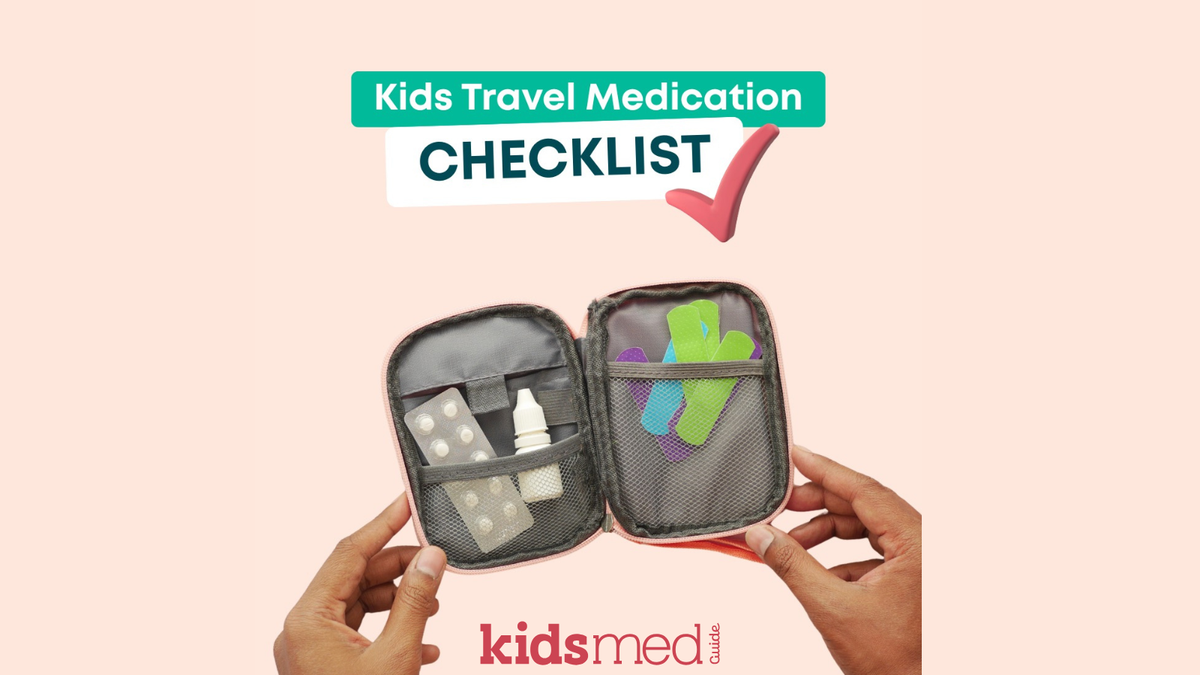
.... and what parents frequently forget!
A kid's travel medication checklist is one of those things you don’t think about until you need it. When you do, it’s usually not convenient.
It's never fun to Google for the closest pharmacy at 10 PM while on vacation!
Why You Need a Kids' Travel Medication Checklist
Travel changes routines, sleep, diet, and exposure to new environments. That means:
- More chances for minor illnesses
- More exposure to allergens
- Less access to your usual pharmacy and your home medicine cabinet
Plus, there's just the law of parenting. Vacation is the best time for kids to schedule their illnesses. I don't make the rules; it's just how it works!
Looking for a good travel medicine kit for kids? Check out some of our product recommendations here!
Fever and Pain Essentials
I always travel with fever and pain essentials because I want to be able to treat a painful injury or illness right away if I can.
Things that have popped up on my vacations that necessitate fever and pain medicine include strep throat (for my kids, it has a fast onset and is super painful!), hand, foot, and mouth disease, and ear infections.
Side note: not every fever needs to be treated with medicine, but if you want to be prepared for the chance that your child gets a very high fever or is too uncomfortable to eat, drink, or rest, it's good to have a fever reducer!
I always bring:
These are useful for:
Make sure you bring:
- The correct formulation for your child’s age (liquid, chewable tablets, etc.)
- A dosing tool (more on that below!)
Allergy Medications
Minor allergic reactions can occur at any time, especially in new environments. These include itchy, runny, or stuffy noses from pollen or dust, as well as minor skin irritations or rashes.
For most children:
- Cetirizine (Zyrtec) is a great go-to option!
It works for:
- Seasonal allergies
- Mild allergic reactions or skin sensitivities
- Hives
It’s also long-acting, which makes it convenient for travel, as you'll only have to dose once per day. Make sure you get the right product and strength for your child's age and weight, as well as the correct dosing tool.
Benadryl is no longer recommended for kids due to the side effect profile.
If your child has been diagnosed with a serious allergy and has a prescription for an EpiPen, add that to your travel checklist so you don't forget.
Any serious allergy symptoms, such as significant hives, facial or airway swelling, wheezing, or trouble breathing, require using your EpiPen and/or contacting emergency services. Always be aware of emergency options in the area you are traveling to.
Stomach Support
Travel can sometimes come with stomach issues. Long car rides and lack of usual physical activity can lead to constipation, as can a change in diet (ice cream and French fries?!)
Kids are also germ magnets and may pick up a stomach bug or other illness at the airport or the rest stop.
Motion sickness is also a significant concern for many children.
GI viruses like norovirus or food poisoning support:
Bring:
- Oral rehydration solution (such as Pedialyte)
This is especially important for:
- Vomiting
- Diarrhea
- Preventing dehydration
If your child comes down with a GI virus or food poisoning, regularly giving small sips of Pedialyte may help you avoid a trip to urgent care or the emergency room.
Pedialyte comes in little packets that you can mix into a water bottle on the go. Way easier than packing a large jug for something you hopefully will not need!
Motion sickness
If your child is prone to motion sickness:
- Dimenhydrinate (Dramamine) may be helpful
Always check age recommendations and dosing before use.
There are other non-drug options like Sea Bands, and focusing on good habits like looking forward, avoiding screens, getting plenty of fresh air, and taking plenty of breaks.
Constipation
A change in diet and activity can lead to constipation, as can a change in environment. Some kids really struggle with being away from their home throne!
To help prevent travel-induced constipation, focus on diet and taking regular movement breaks. Prunes, pears, oatmeal, fruits and veggies, and fiber may help. Also, make sure your kids drink plenty of water!
If you know your child will get constipated, or it's starting to set in, consider:
- Polyethylene Glycol (Miralax), which can be given once or twice a day to keep things... moving along!
Miralax comes in powder packets for easy packing. Pay attention to age and weight-based doses, and ask your pediatrician for smaller kids.
First Aid Basics
Small injuries are almost guaranteed at some point. It's another one of those parenting laws.
Pack:
- Bandaids
- Bacitracin
These cover most minor cuts and scrapes. Clean the wound gently if possible. Avoid Triple Antibiotic Cream or similar combination first-aid creams. They can cause itching and rashes in many people.
Baby Essentials
If you are traveling with an infant, don’t forget:
- Nasal saline
- Bulb syringe
These are incredibly helpful for congestion, especially in unfamiliar environments.
You may also want to pack acetaminophen and a digital thermometer for very young infants, where fever is a concern. (Always call your pediatrician or seek emergency care for fever in infants less than 3 months).
Monitoring Tools
Bring:
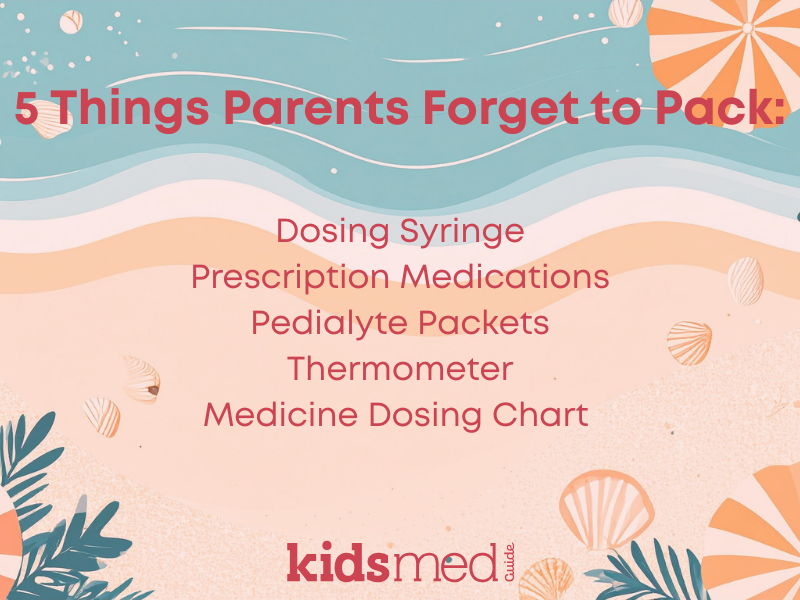
- A thermometer
Fever always seems to happen at the least convenient time, and having a reliable way to check temperature matters. Many fevers don't need specific treatment besides rest and fluids, but it's helpful to know the fever trend.
Emergency Medications
If your child has known medical conditions, this section is critical.
Bring any and all prescription medications, and if they are emergency medications, make sure they are easily accessible and not stowed away in luggage.
Examples include:
- Epinephrine auto-injector (if prescribed)
- Inhaler (if prescribed)
- Insulin (if prescribed)
- Seizure medication (if prescribed)
Make sure prescription medicines are in their original, labeled, childproof containers.
What Parents Forget Most Often
Running through your packing list one last time? These are the most critical items!
Do not forget:
- Any prescription medications
- Dosing syringe or cup for liquids
- A written medication list
- Important doses in your carry-on bag
- Access to your doctor's office phone number or sign-ins for online patient portals
- General awareness of the closest urgent cares, pharmacies, and hospitals that see pediatric patients (just in case!)
Medication Safety Tips for Travel
- Keep medications in original containers when possible
- Store them at appropriate temperatures
- Keep them easily accessible during travel
- Always check age recommendations on the product label
Conclusion
Use our suggestions above to pack for your trip, and have fun!
FAQ
What medications should I always travel with for kids?
A basic kids' travel medication checklist should include fever reducers, allergy medication, oral rehydration solution, and any prescribed medications.
Should medications go in carry-on luggage?
Yes. Always keep medications in your carry-on so they are accessible and not lost if luggage is delayed.
Do I need original packaging?
Yes. It is recommended, especially for prescription medications, to avoid confusion and errors and ensure proper identification.
What is the best allergy medicine to bring while traveling?
Cetirizine (Zyrtec) is a convenient option because it is long-acting and works for multiple types of allergic symptoms.
Do I really need to bring a dosing syringe?
Yes. Kitchen spoons are not accurate. A proper dosing tool ensures safe and correct medication use.