Sunscreen for Kids: What Actually Matters (SPF, Ingredients, and Safety)

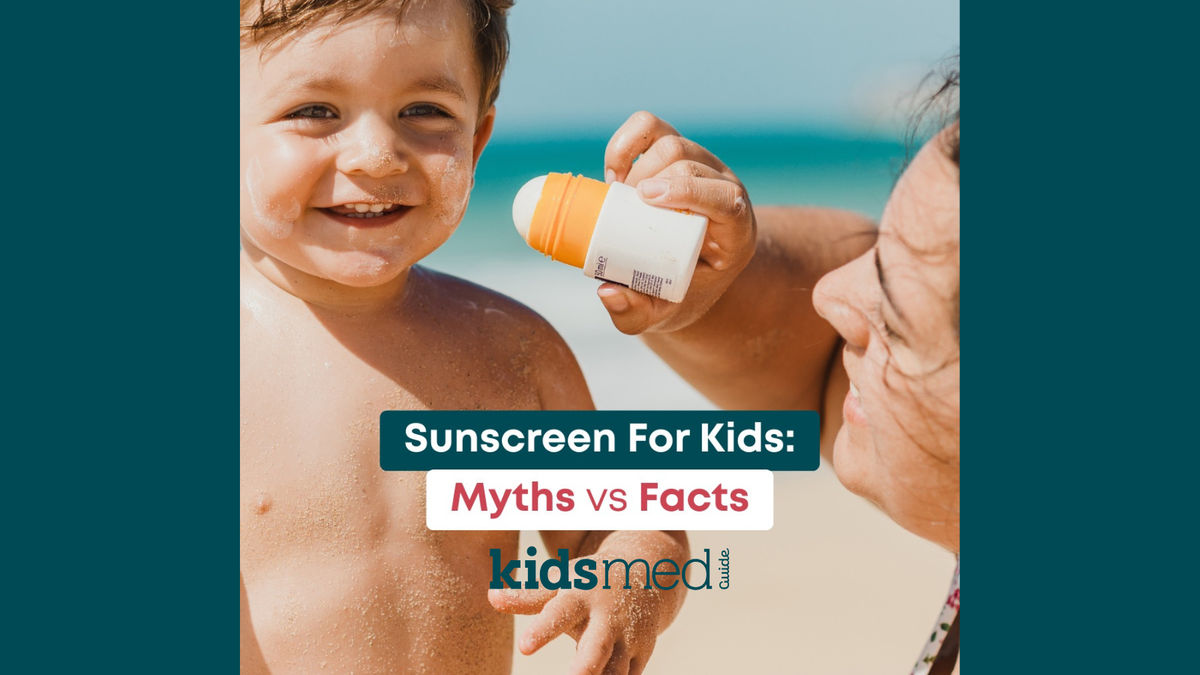
Choosing the right sunscreen for kids can be confusing. SPF numbers, mineral vs chemical options, sprays, lotions, oh my! —It’s a lot. Information overload!
I'll stroll into CVS or Target to shop for sunscreen with the best intentions, only to be victimized by marketing, while also worrying that I'm harming my children by choosing the wrong chemical or not protecting them enough.
Mom life in 2026 isn't easy!
This guide will help break down whether sunscreen is needed (spoiler: yes!), what SPF means, the different types of sunscreen and sunblock, and why you might choose one product over another.
What SPF Really Means
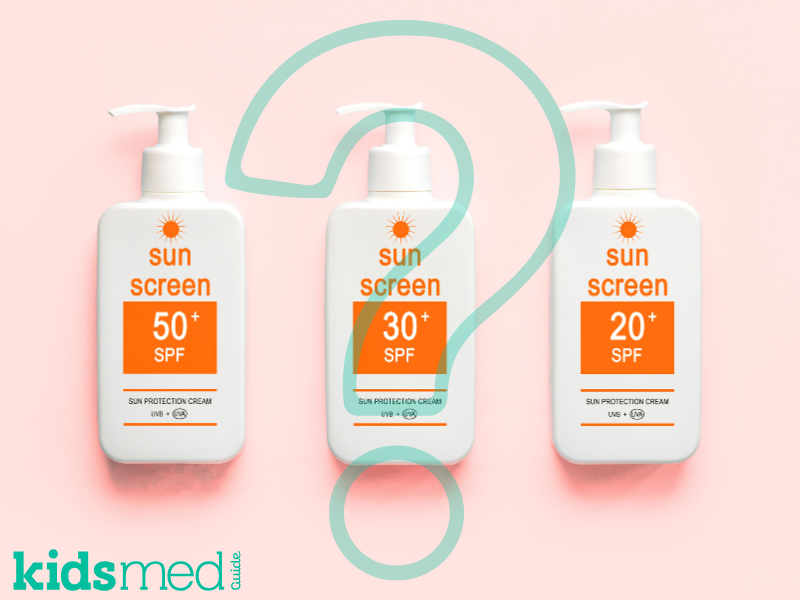
SPF is a confusing concept, and it's easy to think that a higher number means it's safer for your kid. But before you spend extra money on SPF 100, consider the following:
SPF stands for Sun Protection Factor. The number is considered a "multiplier," meaning the number of minutes an individual can typically stay in the sun without getting a burn is multiplied by the SPF to indicate how long that individual can stay in the sun with that sunscreen applied.
That's confusing. No one needs to be doing multiplication in the drugstore aisle 🙃 In addition, it's just an estimate. Sweat, swimming, individual skin factors, and so many other things come into play!
Another way to think about SPF is as the percentage of the sun's UVB rays it blocks. While it's true that a higher SPF offers more protection, after SPF 30, there isn't much practical difference:
- SPF 30 blocks about 97 percent of UVB rays
- SPF 50 blocks about 98 percent
- SPF 100 blocks about 99 percent
So while really high SPF sounds better, the increase in protection is actually small!
Parents may consider SPF 45 or 50 if they find a product they like and are very concerned, or want optimal protection due to individual risk factors, but most dermatologists agree that SPF 30 or higher applied correctly will be just fine!
The Most Important Rule: Reapplication
Sunscreen needs to be reapplied.
SPF 30 or higher is a good choice, but more importantly, you have to be diligent about applying it 15-30 minutes before sun exposure and reapplying it often.
With kids, this is not fun at best, and torture at worst. I call it the old "gather and slather."
Consider reapplication:
- Every 2 hours
- After swimming
- After sweating
Even the best sunscreen will not work if it is only applied once in the morning.
Mineral vs Chemical Sunscreen for Kids
This is another area where parents get stuck. Online, you'll find heated debates about mineral versus chemical sunscreens. You can dive deep into the data, research, and parenting websites.
However, I'll start off by saying: any sunscreen is better than no sunscreen! If you apply sunscreen, you're a good parent 😄
All of us, as parents, want to make the best choices for our kids, and we each have different priorities! And that's OK.
There are some basic and general differences to be aware of:
Mineral Sunscreens
Contain:
- Zinc oxide
- Titanium dioxide
These sit on the skin like a physical barrier and reflect UV light.
They are often very well tolerated on young skin and preferred for:
- Infants and young children
- Sensitive skin
- Children with eczema
- Any parent or family with a concern about the absorption of chemical sunscreen into the skin
Drawbacks:
- May not protect as well against UVA rays, which can cause skin damage, although some brands claim to provide broad-spectrum coverage (read the product labels and specifically look for the words UVA/UVB or broad-spectrum!)
- Can be greasy and thick to apply
- Tend to leave a white residue, which older children and teens may not like
Chemical Sunscreens
Contain ingredients like:
- Avobenzone
- Octocrylene
- Many others
These absorb UV radiation into the skin and convert it into heat.
They are:
- Thinner and easier to apply
- Less visible on the skin
- In general, may offer better UVA/UVB broad-spectrum coverage
Drawbacks:
- Some children, especially young children or children with sensitive skin, may experience skin irritation from the absorption
- There is some evidence to suggest a potential association between chemicals in sunscreen and endocrine system disruption
It's important to note that chemical sunscreens have been in use for decades, and there is no definitive cause-and-effect link between their use and endocrine, hormonal, or other diseases. However, research is ongoing due to potential associations, and it is something for parents to be aware of when taking charge of their children's health.

Mineral Sunscreen vs. Chemical Sunscreen Takeaway
Both types are effective, but many parents might prefer mineral sunscreen for kids, especially for younger children.
The AAP and pediatric dermatology associations also generally recommend mineral-based sunscreen for younger children; however, any sunscreen is better than no sunscreen!
In my opinion, the best sunscreen for toddlers is a thick, mineral-based option you can slather on everywhere, knowing you've got good coverage.
When it comes to older pre-teens and teens (I have a pre-teen), choose your battles wisely. You can spend a lot of money on fancy, skin-care-grade, somewhat translucent mineral sunscreen... or you could let them use the cheap, clear chemical sunscreen and just be glad they are using it at all! I go with the combo approach.
Many of the risks associated with chemical or mineral sunscreen use are theoretical in the highly complex field of environmental and epidemiological health. It's complicated, nuanced, and continually being studied.
However, the risk of skin cancer and other permanent skin damage from childhood sun exposure is well known and very real.
What Parents Should Know About Bemotrizinol, The New FDA-Approved Sunscreen Ingredient
Exciting news in the sunscreen world, especially for parents concerned about chemical sunscreen absorption.
In June 2026, the FDA approved bemotrizinol sunscreen (also called BEMT or PARSOL Shield) for use in over-the-counter sunscreens in the United States.
This is the first new FDA-approved sunscreen ingredient in more than 20 years!
Why Is Bemotrizinol Getting Attention?
• Provides broad-spectrum protection against both UVA and UVB rays
• Has been used in Europe, Asia, and other countries for many years
• Demonstrates very low absorption through the skin (this is a potential advantage over chemical sunscreens available in the United States)
• Remains stable when exposed to sunlight, helping maintain protection
• Approved by the FDA for adults and children 6 months of age and older
Should Parents Switch Sunscreens?
Not necessarily. It's not available in the United States yet, and won't be until later in 2026. It may also be more expensive than other available products.
Current sunscreens that provide broad-spectrum protection and SPF 30 or higher are still excellent choices. However, as products containing bemotrizinol become available in the United States, families will have another option to consider.
For most children, parents should still prioritize:
• Broad-spectrum UVA and UVB protection
• SPF 30 or higher
• Water resistance when appropriate
• Consistent application and reapplication
And... one you will actually use! The best sunscreen is still the one your family will wear and consistently reapply.
Spray vs Lotion: What Actually Works
Nothing is more convenient than spray sunscreen. We use it on our beach vacations. I usually prefer lotion, but I can't always get my kids to sit still long enough, so a quick spray just has to do sometimes!
Sunscreen spray is not preferred for a few reasons:
It is very easy to:
- Miss spots
- Apply too little
- Accidentally mist it into the eyes, nose, or mouth
- Cause sensitivity reactions or airway reactions, especially in airway-sensitive or young kids
If you use a spray:
- Apply generously
- Rub it in
- Keep it away from the face
Lotion tends to provide more reliable coverage, especially for younger kids.
Stick Style Sunscreen
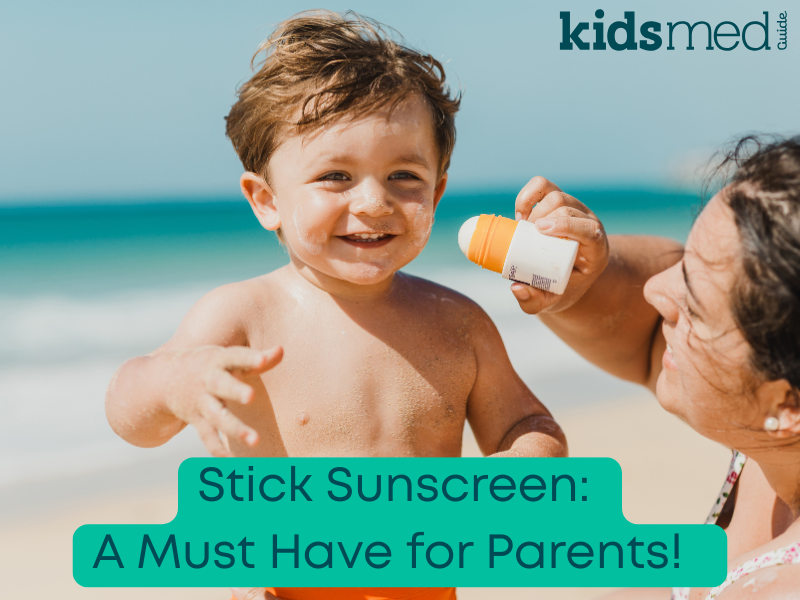
Not really a spray, not really a lotion... enter the stick! This type of sunscreen comes in a tube (like a deodorant) and can be rubbed onto the skin.
It's great for babies with limited surface area to cover, and for faces, necks, and the backs of the ears!
Most stick sunscreens are mineral-based. My kids tolerate this better than me rubbing it on their faces by hand. Less sand, maybe?
Sunscreen Safety for Babies
Babies are a whole different ball game! The best advice is to avoid the sun.
For babies under 6 months:
- Avoid direct sun exposure
- Use hats, clothing, and shade first
If avoidance is not possible, small amounts of mineral sunscreen can be applied to exposed areas; physical protection remains the priority.
Other Ways to Protect Kids from the Sun's Rays
I love the sun, I love summer, and I love the beach! I definitely believe in fresh air and sunshine for kids, and all the benefits they provide, such as boosting mood and supporting Vitamin D absorption.
To help your child enjoy the sunshine without worrying about the very real risks of skin damage, remember to:
- Avoid playing in the sun during peak hours, 10 AM - 4 PM, especially 12 PM - 2 PM, if you're trying to maximize your outdoor time. 12-2 is a great time for lunch and shade!
- Dress your child in UV-blocking clothing. There are many good swim and athletic options, including bathing suits, hats, and lightweight shirts.
- Take regular shade breaks during peak sun hours
- Not strictly sun-related, but remember to have your kids drink plenty of water to stay hydrated!
FAQ
What is the best sunscreen for kids?
The best sunscreen for kids is one your child will tolerate, one you can afford, and one that you will use consistently. SPF 30 or higher is recommended. Mineral options are recommended but not mandatory for younger children.
Is SPF 100 better than SPF 30?
Not significantly. SPF 30 already blocks about 97 percent of UVB rays. Higher SPF provides only a small increase.
Are mineral sunscreens safer?
Mineral sunscreens are often preferred for sensitive skin and younger children because they sit on the skin rather than being absorbed.
Are spray sunscreens effective?
They can be, but they must be applied generously and rubbed in to ensure full coverage. Avoid applying near the face, eyes, mouth, or nose.
Do kids need sunscreen every day?
Yes! Slather on the sunblock, get outside, and play 😄 It's good for your child! If your child is exposed to sunlight, even on cloudy days, sunscreen is recommended to prevent burns and long-term skin damage.
References:
Balk, S. J. (2023). Sun Protection. Pediatrics In Review, 44(4), 236–239. https://doi.org/10.1542/pir.2022-005545
Commissioner, O. of the. (2026, June 9). FDA Expands Sunscreen Options for the First Time in 20 Years. FDA. FDA. https://www.fda.gov/news-events/press-announcements/fda-expands-sunscreen-options-first-time-20-years
Diffey, B. L. (2001). Sunscreens and UVA protection: A major issue of minor importance. Photochemistry and Photobiology, 74(1), 61–63. https://doi.org/10.1562/0031-8655(2001)074%253C0061:saupam%253E2.0.co;2
Glenn, B. A., Lin, T., Chang, L. C., Okada, A., Wong, W. K., Glanz, K., & Bastani, R. (2015). Sun Protection Practices and Sun Exposure among Children with a Parental History of Melanoma. Cancer Epidemiology, Biomarkers & Prevention : A Publication of the American Association for Cancer Research, Cosponsored by the American Society of Preventive Oncology, 24(1), 169–177. https://doi.org/10.1158/1055-9965.EPI-14-0650
Nash, J. F., & Tanner, P. R. (2014). Relevance of UV filter/sunscreen product photostability to human safety. Photodermatology, Photoimmunology & Photomedicine, 30(2–3), 88–95. https://doi.org/10.1111/phpp.12113
Philadelphia, T. C. H. of. (n.d.). Is Sunscreen Safe? | Children’s Hospital of Philadelphia. Retrieved May 8, 2026, from https://www.chop.edu/news/health-tip/sunscreen-safe
Sunscreen fact and fiction: What the science says. (n.d.). News Center. Retrieved May 8, 2026, from https://med.stanford.edu/news/insights/2025/06/sunscreen-science.html
Sunscreens, E. G. to. (n.d.). The trouble with sunscreen ingredients | EWG’s Guide to Sunscreens. Retrieved May 8, 2026, from https://www.ewg.org/sunscreen/report/the-trouble-with-sunscreen-chemicals/<? echo curPageURL(); ?>