Preventing and Managing Fall Asthma Flare-Ups in Cooler Weather
As a mom, I notice a pattern every fall. My kids develop lingering coughs and sniffles. Strep throat and earaches begin to sneak into my home. It inevitably spreads to my husband or me. I fall asleep every night to the “ode to winter” soundtrack – cough, cough, sniffle, sniffle, hack, hack, repeat!
At work, I notice a similar pattern. Use of inhalers and steroids increases, and children begin seeing their doctors or visiting the ER for asthma exacerbations. During cooler weather, asthma flare-ups lead to more coughing, wheezing, and urgent care visits or midnight pharmacy trips.
Cooler temperatures and seasonal changes can make managing asthma in kids feel difficult. It’s like a moving target. Taking proactive steps when the weather shifts can help keep asthma under control.
Understanding Asthma Triggers in Fall and Cooler Weather
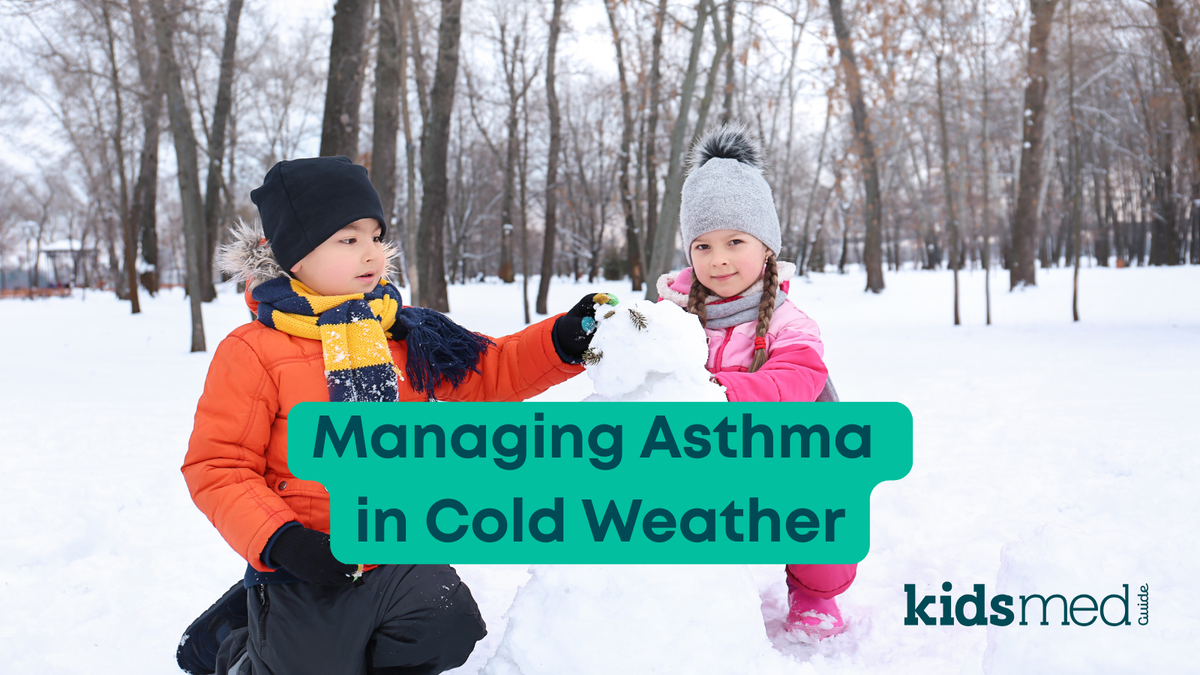
Why does asthma often worsen during the fall and winter? Cold, dry air is common and can irritate sensitive airways, making it harder for children with asthma to breathe. When kids breathe in cold air, their airways may tighten and become inflamed.
Fall can be especially tricky because, along with cold, dry air, the heating system turns on, and temperatures fluctuate from morning to midday to night. Meanwhile, seasonal allergies like ragweed, fall pollen, and decaying leaves are major irritants for people with asthma and often cause issues.
Indoor environmental allergens increase once fall arrives, as we shut the windows and turn on the heat.
(I live in a seasonal climate that gets chilly in the fall and cold in the winter. We have an ongoing, three-season debate about when to turn the heat on. One of us prefers it to be Sahara Desert hot, while the other would rather wait until December to pay the oil bill. One of us wins… I won’t say who’s who…)
Dust mites, pet dander, and mold can accumulate quickly in cooler weather. The American Academy of Pediatrics lists cold air, pollen, dust, and respiratory infections among the most common triggers of asthma flare-ups in children.
Another challenge during this time of year is infection. If you have kids (and you probably do if you’re reading this), you know that in the winter, they get sick ALL THE TIME.
The American Lung Association states that viral illnesses, such as colds and the flu, are among the most common triggers of asthma flare-ups during the winter months. Even a simple runny nose can trigger several days of wheezing in a child with asthma.
Parents should watch for early signs of illness or asthma issues, such as nighttime coughing, chest tightness, or shortness of breath. Recognizing these symptoms early helps you intervene before they worsen.
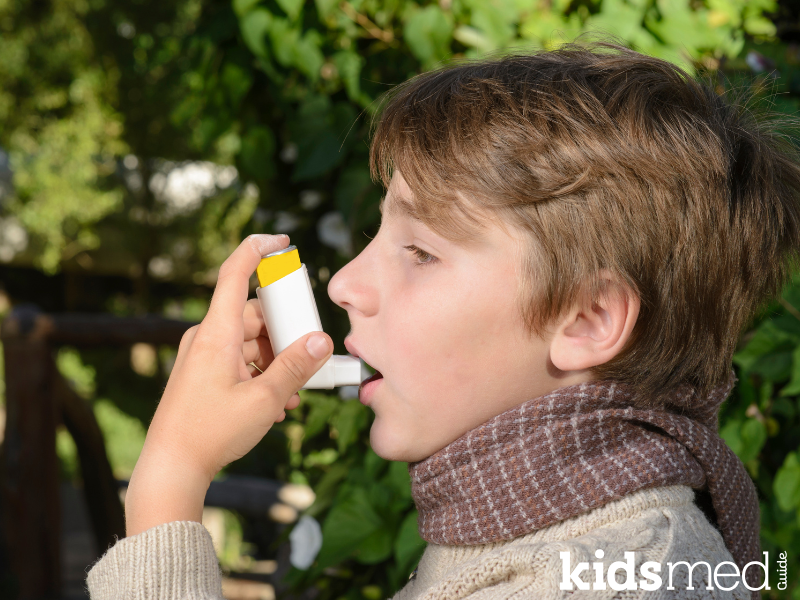
Preventive Steps for Children with Asthma
Asthma management starts before the first wheeze! Good asthma control comes from following your doctor’s advice, adhering to your asthma action plan, and taking your controller medications consistently.
To help prevent asthma flare-ups:
- Stick with the regular use of prescribed controller medications. Even when your child feels well, taking these medications daily helps keep airway inflammation under control and prevents flare-ups. Follow the instructions as written.
- Keep indoor air clean. If your budget allows, invest in a quality air filtration device. Ideally, this should be throughout your home, especially in the area where your child sleeps. Replace air filters regularly, vacuum with a HEPA filter, and monitor for any signs of moisture or mold. The National Heart, Lung, and Blood Institute emphasizes that reducing environmental triggers can make a significant difference.
- Consider a scarf in cold weather. For quick trips outside, you can encourage your child to cover their mouth and nose with a light scarf when it's cold. It warms the air before it reaches their lungs, which may help prevent cold air from triggering breathing issues.
- Wash hands often. Good hand hygiene helps prevent illness. Preventing illness is one of the best ways to avoid respiratory infections that can worsen asthma.
- Ensure your child gets their childhood vaccines, including the flu shot, on time. Consult your pediatrician to see if the COVID-19 vaccine is suitable for your child.

Managing Asthma During School and Outdoor Activities
Many children with asthma can safely take part in school sports and outdoor play. Always follow your trusted pediatrician's advice and adhere to your asthma action plan. However, with proper management, most kids can enjoy fall sports and winter activities.
Exercise and outdoor time are essential for children’s overall health, including lung health, so consult your child’s doctor if outdoor activities cause your child trouble or make you nervous.
Ensure your child has quick access to their rescue inhaler during school hours, recess, and sports practices. Teachers, coaches, and school nurses should be familiar with your child’s asthma diagnosis and know how to assist if symptoms begin.
If your child experiences exercise-induced symptoms, using a rescue inhaler 15 minutes before activity can help. This should be included in your asthma action plan so it’s not forgotten! The Mayo Clinic also suggests paying attention to the weather. When it is very cold outside, indoor activities might be a better choice.
Some children may need to proactively increase their controller inhaler doses (steroids or long-acting beta-agonists) ahead of cold weather. This can help prevent inflammation before it takes hold and causes problems.
Medication Tips for Fall and Winter
The start of the colder weather is an ideal time to review your child’s asthma medications with their healthcare provider. Medication needs sometimes shift as triggers change, so managing asthma in kids really takes ongoing attention.
- Review your child’s asthma action plan and confirm dosing instructions. If your child’s needs change during the colder months, reach out to your doctor early! You’ll need updated prescriptions and more refills.
- Check inhaler technique. Use a spacer whenever possible, even for older children.
- Keep an extra rescue inhaler at school and one at home in case of illness or loss. Kids participating in after-school sports or other activities should always have access to their rescue inhaler.
- Track how often your child uses the rescue inhaler. Frequent use may indicate that their controller medication needs adjustment.
- Talk to your pediatrician about vaccines. We recommend keeping all childhood vaccines up to date. The flu and COVID-19 vaccines help prevent respiratory infections that can trigger asthma flare-ups. The flu vaccine is recommended for all children aged 6 months and older. The COVID-19 vaccine may be advised based on your child’s age, health, and social situation—consult your doctor for guidance!

Supporting Asthma Care at Home
We can’t control the weather (I really wish we could—70s and sunny every day, anyone?).
As parents, we have some control over indoor triggers. Budgets, time, mental load, other commitments, and living situations vary greatly from household to household, and having perfect control of your indoor environment is not always possible.
Do your best to control what you can. As parents, we’re all human, and it’s tough juggling a family life and other commitments. If you're able to take the following steps, it may help reduce asthma triggers during the colder months and prevent asthma flares:
- Keep bedrooms tidy by removing clutter, rugs, and stuffed animals.
- Dust and vacuum often, especially in your child’s bedroom or playroom.
- Avoid scents like candles, perfumes, or home diffusers.
- Use a HEPA filter if possible.
- Consider using a cool mist humidifier for dry rooms, but remember to clean it regularly and check for mold often.
- Wash hands after outdoor play during fall ragweed season, and take shoes off before entering the house.
- Make sure all adult caregivers and older children know where rescue inhalers and spacers are stored, how to use them, and how to get help in an emergency.
Related: Non-Drug Ways to Treat Seasonal Allergies
Conclusion
Cold weather and asthma are not BFF’s. Managing asthma in kids can be especially tough during fall and winter. Our KidsMedGuide advice is to ensure your child takes their asthma medication regularly, and to be proactive by talking to your doctor about possibly increasing doses of controller medications or giving a dose of a rescue inhaler before outdoor play in cold weather.
If you notice your child is frequently getting triggered or having asthma flare-ups during this season, seek medical care and adjust their asthma action plan and medication doses accordingly!
Now, everyone, wash your hands ☺ and stay well!
Frequently Asked Questions
What triggers asthma flare-ups in fall and cooler weather?
Cold air, indoor allergens, and respiratory infections are the most common triggers.
How can I prevent winter asthma attacks in my child?
Take prescribed medicines as instructed, even if your child is feeling well. Keep indoor air clean. Talk to your doctor about using your child’s rescue inhaler before outdoor activities. Adjust your asthma action plan with your healthcare provider as necessary, and stick to it.
Should my child’s medication change during cooler months?
Sometimes. Ask your child’s healthcare provider to review their plan before the season begins. They may need an increased dose of controller medication.
How can I recognize early signs of a flare-up?
Listen for nighttime coughing or wheezing and watch for shortness of breath or chest tightness. Being outside in the cold, viral illnesses, fall allergies, and the heat kicking on can all trigger a flare-up. Pay attention to symptoms and act quickly.
Can children with asthma safely participate in outdoor activities?
Usually! With proper control and easy access to inhalers, most children can safely participate in sports and play outside.
The following references were used to compile this information:
9 Asthma Triggers and What to do About Them. (2025, April 4). HealthyChildren.Org. https://www.healthychildren.org/English/health-issues/conditions/allergies-asthma/Pages/asthma-triggers-and-what-to-do-about-them.aspx?utm_source=chatgpt.com
Association, A. L. (n.d.). Why Is My Asthma Worse in the Winter? Retrieved November 6, 2025, from https://www.lung.org/blog/cold-weather-asthma
Asthma—Causes and Triggers | NHLBI, NIH. (2024, April 17). https://www.nhlbi.nih.gov/health/asthma/causes
Childhood asthma: Make a plan to control attacks-Childhood asthma - Symptoms & causes. (n.d.). Mayo Clinic. Retrieved November 6, 2025, from https://www.mayoclinic.org/diseases-conditions/childhood-asthma/symptoms-causes/syc-20351507
Teach, S. J., Gergen, P. J., Szefler, S. J., Mitchell, H. E., Calatroni, A., Wildfire, J., Bloomberg, G., Kercsmar, C., Liu, A. H., Makhija, M., Matsui, E., Morgan, W., O’Connor, G., & Busse, W. W. (2015). Seasonal Risk Factors for Asthma Exacerbations among Inner City Children. The Journal of Allergy and Clinical Immunology, 135(6), 1465-1473.e5. https://doi.org/10.1016/j.jaci.2014.12.1942