Sleep Aids and Melatonin Safety for Children
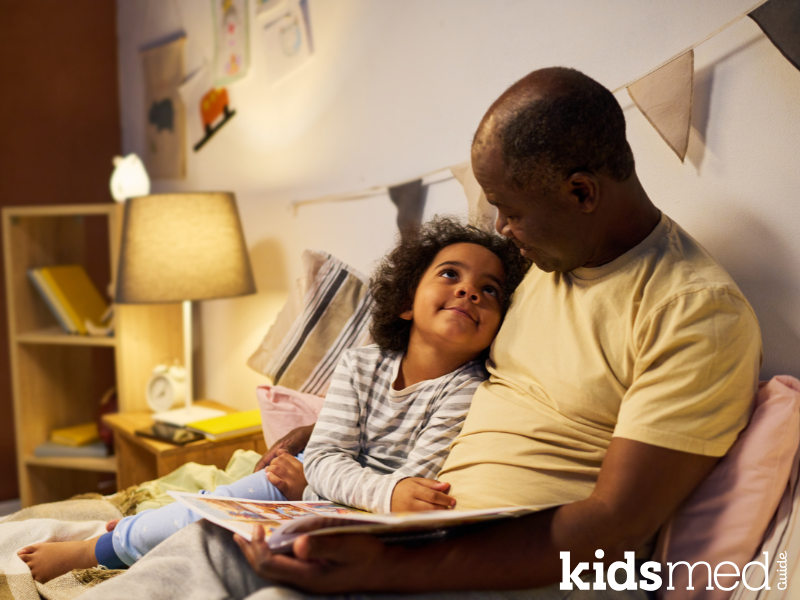
Before I became a parent, I envisioned sweet, loving bedtime moments and chubby little toddlers sleeping peacefully through the night. In my imagination, I'd snuggle with my baby and tell my older kids stories as they drifted off to sleep - all with my dog lying by my feet.
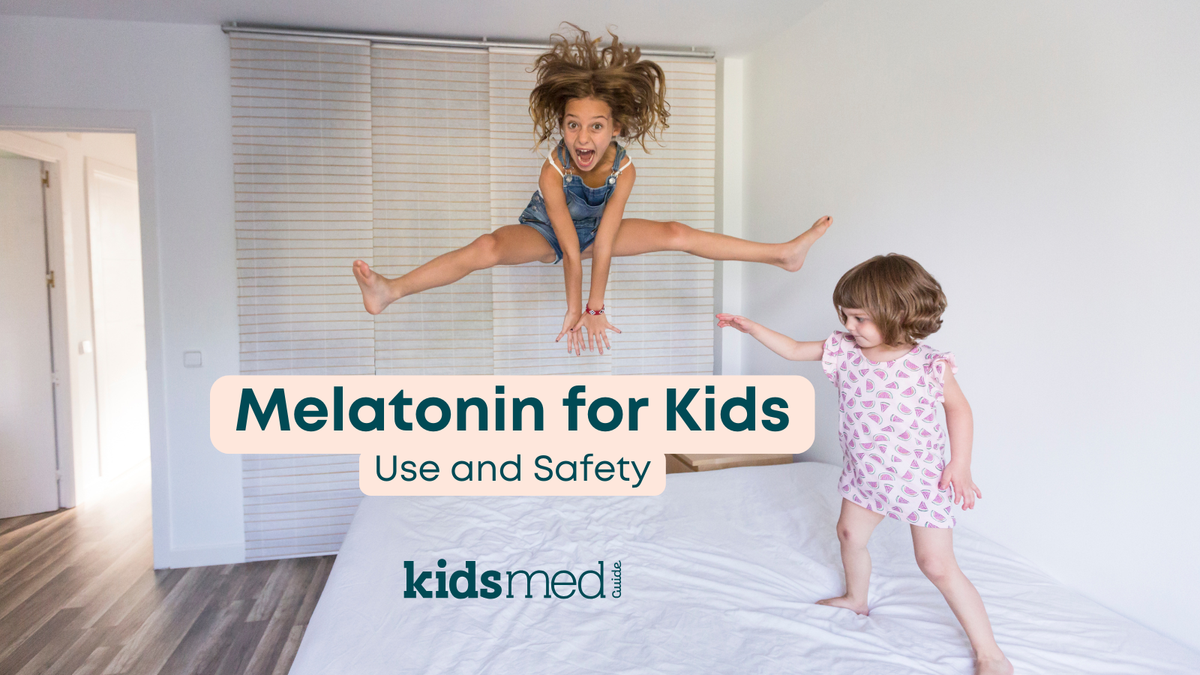
Fast forward 10 years, and I can now describe bedtime as more like a nightly struggle for my soul, similar to Harry Potter fighting off Dementors. Jk, jk... it has its peaceful and loving moments from time to time, but it's also heavy on bargaining, whining, and chasing around a diaper-clad toddler who's chasing a dog that stole his sock, all while the older siblings evade bedtime by remembering a homework assignment due tomorrow and being inexplicably hungry and thirsty.
Then there's the issue of sleeping through the night. Sometimes I feel like my kids have a pact that they're not all allowed to sleep through the night on the same night. There's some sort of rotation in the works that I'm not privy to - they've conspired against me!
Entering the chat... melatonin for children and other safe sleep aids for kids. Spoiler alert: I'm generally not a big fan of regular melatonin or other sleep aid use for most kids, at least not as a first option. Solving sleep issues is usually best achieved with routine and behavioral changes.
Read on to learn why melatonin and other sleep aids or supplements carry risks, my concerns as a pharmacist, and important things to know before you ask your child's doctor about trying melatonin.
Why Some Kids Have Trouble Sleeping
Children may struggle with falling asleep for many (many, many, many) reasons, and most of them have nothing to do with needing a supplement. In healthy children, trouble sleeping is usually behavioral, not medical.
Irregular sleep schedules, inconsistent routines, overstimulation, screen use before bed, stress, and developmental changes can all make bedtime difficult. They're also all part of a regular day for most families. Modern life and kids' schedules have changed drastically in recent decades, much faster than sleep habits could ever evolve.
It wasn't too long ago that children regularly went to bed and woke up at the same time every day, spent most of their time doing house chores or playing outside, and rarely stayed out late, slept in, or ate sweets and desserts. Evening was a time to wind down, not head to basketball practice.
Children do best when they have a consistent bedtime routine, limited screen time, and age-appropriate bedtimes and wake times. I know I sound like I'm on my high horse, but unfortunately, it's the truth! As shown by my Dementor-like struggles, I don't have it all together, and trust me, I wish there were an easy magic solution to make nights peaceful! But I continually try to improve on and stick to a routine.
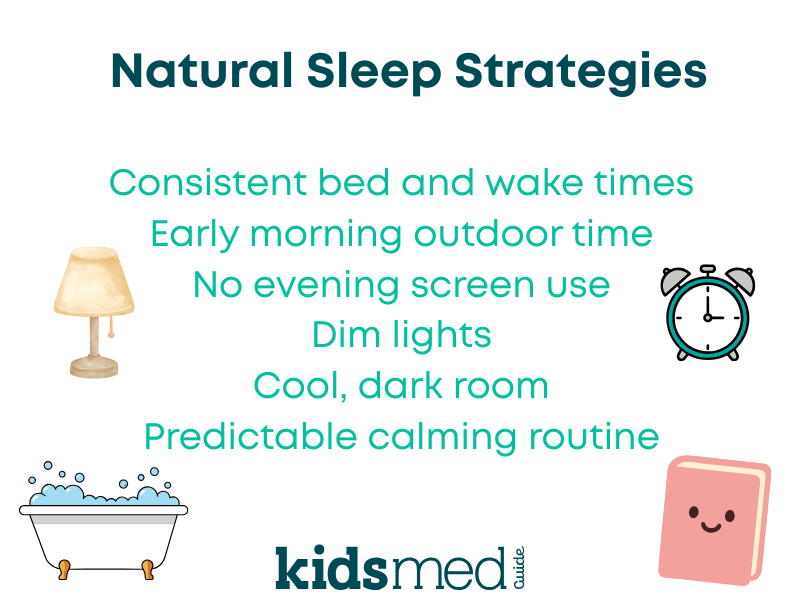
Before considering melatonin or other supplements, think about natural, non-drug sleep aids. Examine your routine and environment critically. Evidence-based sleep strategies for kids that have been proven to help include consistent bedtime routines, regular wake times, reduced screen use, predictable evening rhythms, dim lighting, and quiet time before bed.
What Is Melatonin and How Does It Work
If your bedtime routine and environment are optimized, you may be wondering about melatonin. It gets a lot of hype.
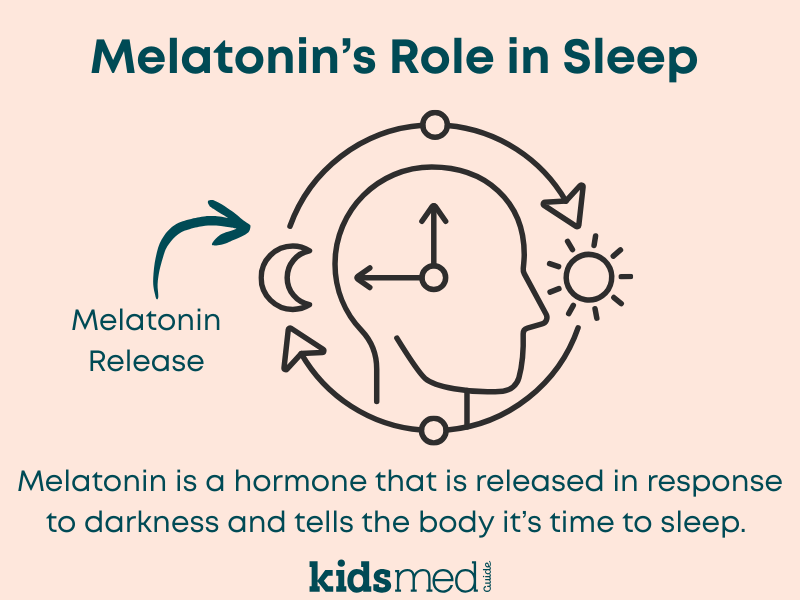
Melatonin is a hormone that the brain naturally produces in response to darkness. It helps regulate the sleep-wake cycle and signals the body that it is time to prepare for sleep. There is some evidence to suggest that melatonin supplements can help reset a sleep cycle that gets off track, such as in adults who work night shifts or after jet lag from a trip.
When sleep routines shift or children struggle with delayed sleep onset (trouble falling asleep), families sometimes consider melatonin as part of a short-term plan. This comes up a lot in the fall and spring, after much of the country resets its clocks for Daylight Saving Time.
Melatonin supplements do not make children fall asleep instantly. Instead, melatonin helps shift the internal clock to prompt sleep earlier when timed correctly. Clinical reviews show that melatonin can reduce the time it takes some children to fall asleep, particularly in those with sleep-onset delay.
Is Melatonin Safe for Children
According to major pediatric organizations, melatonin may be safe for short-term use to improve sleep onset time under a pediatrician's supervision. It should not be used long-term without medical supervision (we don't fully know the long-term effects on children's development), and it should never be the only sleep strategy. Behavioral and environmental optimization should always come first and remain in place.
Melatonin product quality and brand safety
Product quality also matters, as supplement studies show significant variability between the labeled and actual melatonin content. This is one of my main concerns as a pharmacist. A bottle of melatonin could be labeled "1 mg" but contain something wildly different.
The FDA does not regulate natural supplements and over-the-counter products like melatonin the way it regulates prescription medications.
Reputable companies should voluntarily conduct stringent quality inspections and batch testing to ensure quality. But unfortunately, many products on the market, especially gummies, have been found to contain inaccurate amounts of melatonin. This is very concerning to me as a healthcare provider and parent.
A recent study in the U.S. of available melatonin gummies found that the amount of melatonin ranged from 74% to 347% of the labeled strength. A Canadian study of products available in the Ontario area yielded similar results and even found that some products contained serotonin.
In general, due to studies like these and the lack of regulation and oversight in the supplement industry, I do not routinely recommend using supplements for children. In my (pharmacist) opinion, children should take the smallest amount of medication or supplements necessary at the lowest doses, and only when there is a genuine medical need! Non-drug or supplement measures should always be tried first.
That said, what's a parent to do if they've optimized their sleep environment, worked on behavioral changes, and spoken with their pediatrician, who has given the go-ahead to try melatonin? (We do need sleep after all!)
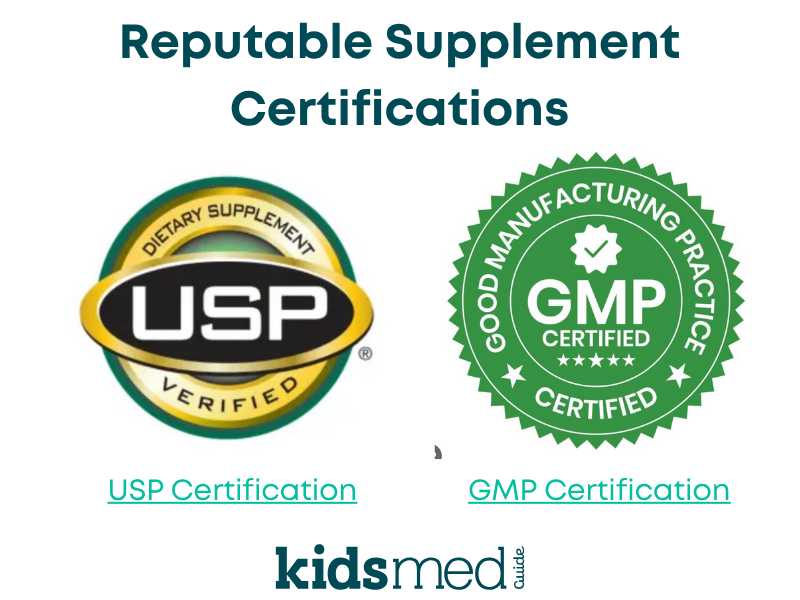
Parents should look for reputable products carrying the USP Verified Mark or NSF GMP Certification to ensure accurate ingredient content and manufacturing quality. These certifications indicate that companies voluntarily adhere to safety standards and undergo inspections.
Also, use melatonin for the shortest duration possible. Work with your pediatrician to develop a plan. Since quality and strength can vary between products, it's best to limit your child's overall exposure to occasional, short-term use.
Having trouble finding a reputable brand? Ask your community pharmacist! We nerds love explaining that stuff.
Risk of accidental ingestion and overdose of melatonin
Melatonin is safe for children when used under a pediatrician's supervision, purchased from a reputable manufacturer, and administered at the lowest effective dose for the shortest necessary duration. However, the risk of accidental ingestion (some melatonin products resemble candy!) and overdose is significant.
According to CDC poison-center surveillance of U.S. data from 2012–2021, more than 260,000 melatonin ingestions were reported in children, representing a 530% increase over that period. Most cases involved children five and younger, and while the majority had no or mild symptoms, some serious outcomes did occur: over 4,000 hospitalizations and nearly 300 ICU admissions.
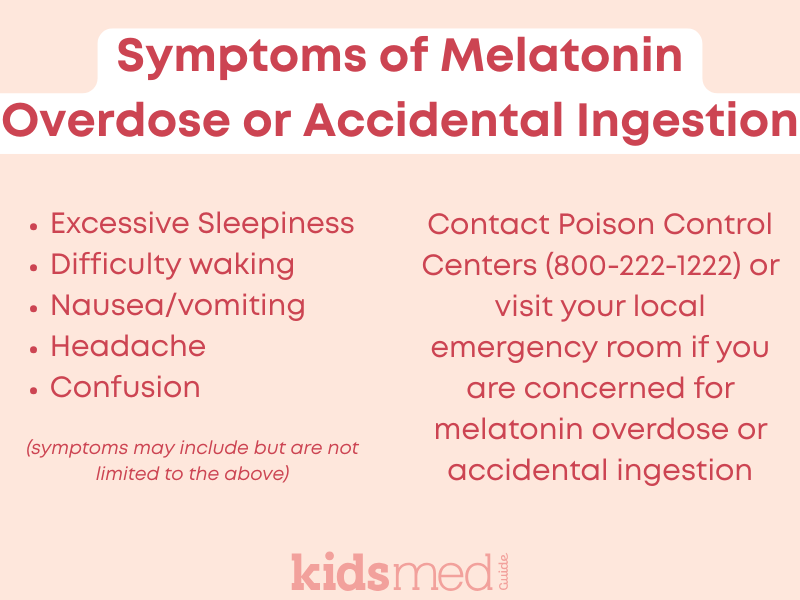
Melatonin overdose symptoms in children include sleepiness, difficulty waking, confusion, headache, dizziness, nausea, vomiting, or changes in blood pressure or heart rate. Severe effects have been reported in large ingestions or in very young children.
The CDC and AAP both recommend storing melatonin up and away and out of sight, ideally in a locked cabinet, because ingestions occur when toddlers find bottles left on nightstands, countertops, or inside bags. Child-resistant packaging and avoiding flavored or gummy formulations when possible can also reduce risk, since young children may confuse them with candy.
Understanding Melatonin Dosage for Kids
When discussing melatonin dosage for kids with your doctor, the advice is to use the lowest effective dose. The American Academy of Pediatrics notes that many children respond to doses of 0.5 to 1 mg taken 30 to 60 minutes before bedtime.
Remember, it takes time to work, so don't jump to a higher dose if results aren't immediate. Higher doses of melatonin do not improve sleep and may increase side effects.
Side effects may include morning sleepiness, headache, and vivid dreams. If melatonin does not help after several days of consistent use, this is a sign that the underlying sleep issue needs further evaluation. It may not be sleep onset delay, but another medical problem.
Natural Ways to Improve Sleep
Behavioral approaches remain the foundation of healthy sleep. These strategies function as natural sleep aids for children and are strongly supported by pediatric sleep medicine literature.
Helpful habits include a predictable bedtime routine, reduced evening screen time, dim evening lighting, calming wind-down activities, and maintaining a dark, cool sleep environment.
Related: Baby Sleep Solutions
Related: Transitioning to School Hours Without Sleep Aids
When to See a Doctor
A pediatrician should evaluate children who snore, have difficulty breathing during sleep, wake frequently, feel excessively tired during the day, or continue to struggle with sleep despite healthy routines or appropriate melatonin use.
If you are considering initiating melatonin, speak with your child's pediatrician first.
Conclusion
The bedtime struggle is real. I feel like I survived baby sleep regressions only to get smacked in the face by toddler battles and big kid problems!
Melatonin can be considered with a physician's guidance, but it should not be the initial sleep intervention. Behavioral changes and environmental adjustments should come first—healthy routines, consistent sleep schedules, and environmental modifications remain the most effective natural sleep aids for children and should always be prioritized.
When considering melatonin, families should use the lowest effective dose, select high-quality, verified products, and monitor for side effects.
Frequently Asked Questions
Is melatonin safe for daily use in kids?
Short-term daily use may be appropriate when supervised by a pediatrician. Long-term daily use should be undertaken only under medical guidance, as research on prolonged use is limited.
How much melatonin should I give my child?
Many children respond to 0.5 mg to 1 mg taken before bed, but always follow your pediatrician’s recommendation.
What are some natural sleep aids for children?
Calming routines, reduced screen time, consistent bedtimes and waketimes, cool dark bedrooms, reading before lights out, and predictable wind-down activities are effective ways to improve sleep.
What are the common side effects of melatonin?
Morning sleepiness, headache, and vivid dreams can occur. If symptoms persist, discuss them with your pediatrician.
When should I consult a doctor about my child’s sleep?
Seek medical advice if your child snores, wakes frequently, feels tired during the day, or has sleep issues lasting several weeks.
The following references were used to compile this information:
Cohen, P. A., Avula, B., Wang, Y.-H., Katragunta, K., & Khan, I. (2023). Quantity of Melatonin and CBD in Melatonin Gummies Sold in the US. JAMA, 329(16), 1401–1402. https://doi.org/10.1001/jama.2023.2296
Dietary Supplement Manufacturing—USP Verified Mark | USP. (n.d.). Retrieved September 15, 2025, from https://www.usp.org/verification-services/verified-mark
Erland, L. A. E., & Saxena, P. K. (n.d.). Melatonin Natural Health Products and Supplements: Presence of Serotonin and Significant Variability of Melatonin Content. Journal of Clinical Sleep Medicine, 13(02), 275–281. https://doi.org/10.5664/jcsm.6462
GMP Certification. (n.d.). Retrieved September 15, 2025, from https://www.nsf.org/nutrition-wellness/gmp-certification
Gringras, P., Gamble, C., Jones, A. P., Wiggs, L., Williamson, P. R., Sutcliffe, A., Montgomery, P., Whitehouse, W. P., Choonara, I., Allport, T., Edmond, A., & Appleton, R. (2012). Melatonin for sleep problems in children with neurodevelopmental disorders: Randomised double masked placebo controlled trial. BMJ, 345, e6664. https://doi.org/10.1136/bmj.e6664
Kim, C. Y., Yousef, P., Gilad, R., & Shapiro, C. M. (2025). The Use and Misuse of Over-the-Counter Melatonin in Children and Adolescents: A Commentary. Canadian Journal of Psychiatry. Revue Canadienne de Psychiatrie, 07067437251340683. https://doi.org/10.1177/07067437251340683
Lelak, K. (2022). Pediatric Melatonin Ingestions—United States, 2012–2021. MMWR. Morbidity and Mortality Weekly Report, 71. https://doi.org/10.15585/mmwr.mm7122a1
Medication Safety. (2025, January 9). HealthyChildren.Org. https://www.healthychildren.org/English/safety-prevention/at-home/medication-safety/Pages/default.aspx
Paruthi, S., Brooks, L. J., D, ’Ambrosio Carolyn, Hall, W. A., Kotagal, S., Lloyd, R. M., Malow, B. A., Maski, K., Nichols, C., Quan, S. F., Rosen, C. L., Troester, M. M., & Wise, M. S. (n.d.). Consensus Statement of the American Academy of Sleep Medicine on the Recommended Amount of Sleep for Healthy Children: Methodology and Discussion. Journal of Clinical Sleep Medicine, 12(11), 1549–1561. https://doi.org/10.5664/jcsm.6288
Recommended Amount of Sleep for Pediatric Populations: A Consensus Statement of the American Academy of Sleep Medicine | Journal of Clinical Sleep Medicine. (n.d.). Retrieved November 13, 2025, from https://jcsm.aasm.org/doi/10.5664/jcsm.5866