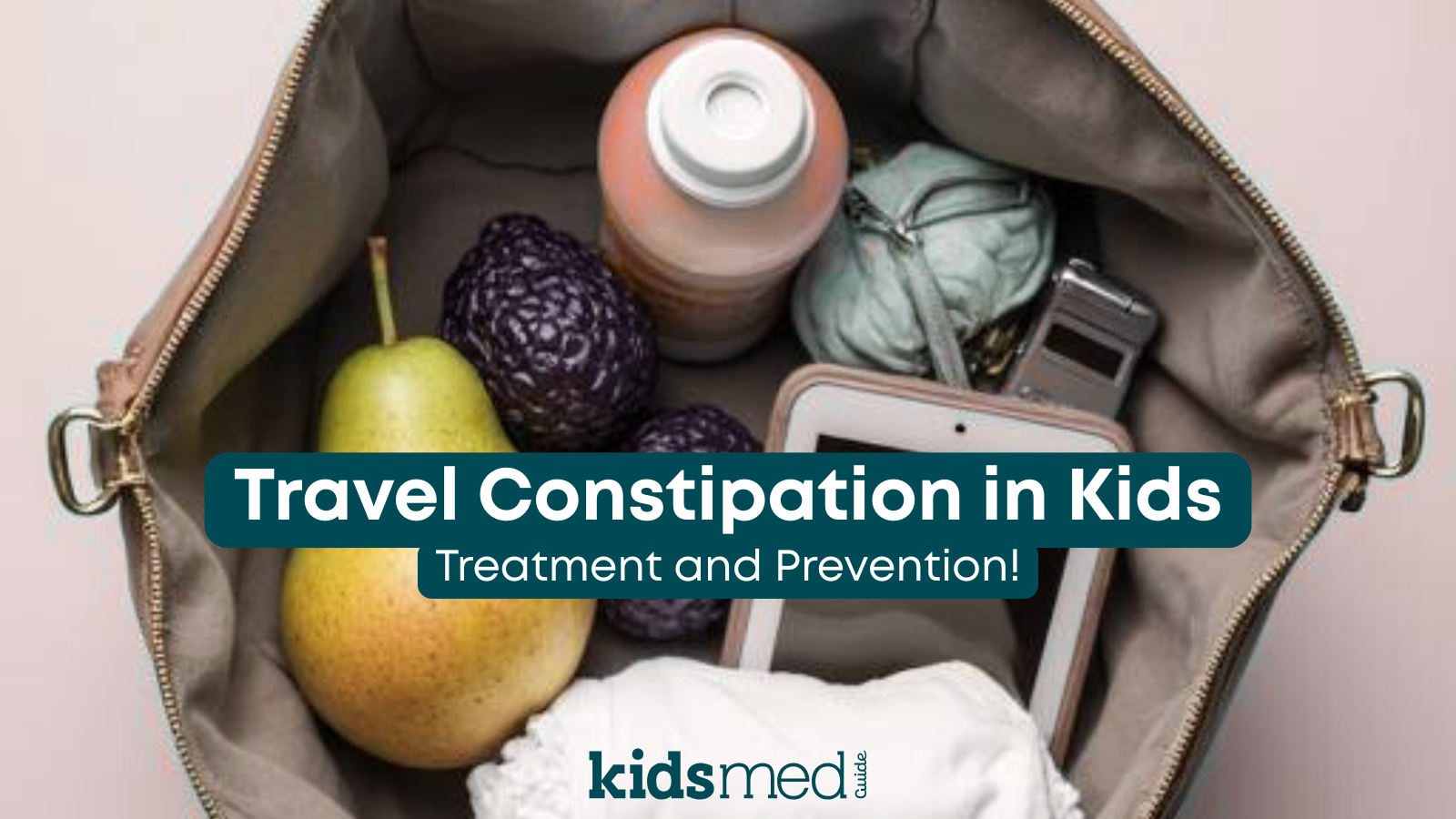
Constipation Prevention and Treatment After Holiday Travel or Diet Changes
My children’s holiday meals usually consist of half a roll, 14 cookies, and whatever soda or juice they manage to con out of a nice unsuspecting relative. If we’re traveling for the holidays, that one holiday meal becomes 6 to 9 meals… leading to constipation.
Constipation in children, especially after travel, is quite common. Travel often involves a change in routine and diet. When kids eat differently or are away from home, constipation can easily occur!
You can prevent (or at least reduce!) constipation after travel, and it's often easy to treat with some lifestyle changes and possibly medications. If you’re away from home and your kids haven’t pooped in several days, read on!
Understanding Constipation in Children
Constipation in children means fewer bowel movements than usual, hard or painful stools, or stomach discomfort. It happens when stool isn’t passing normally and regularly.
Stool should be soft and easy to pass, with a regular pattern of about one bowel movement per day (although some children may go every other day, and others 2-3 times per day—all can be normal!).
There are many causes of constipation, but they are usually related to diet or behavior. Good fiber and water intake, regular physical activity, and regular toileting habits can help keep constipation at bay.
Constipation in Children During and After Travel
Many children experience these symptoms after holidays because their usual routines are disrupted. During trips, changes in diet and activity levels can lead to lower fiber intake, decreased water consumption, and reduced physical activity (e.g., long car rides or airport waiting).
Stress and excitement can also cause constipation, as can the thought of being away from home. Many children find it hard to poop outside their familiar home environment. Holding in a bowel movement because of fear or anxiety can make the problem worse.
Common signs include:
- Hard, pebble-like stools
- Fewer trips to the bathroom
- Stomachaches or complaints of “my belly hurts”
- Straining or avoiding the toilet
- A sudden fear of pooping because it hurts
- No bowel movements for 3 days or fewer than 2-3 bowel movements per week, or no bowel movements for longer than usual for your child, especially if accompanied by belly pain.
Travel Constipation Prevention Tips for Parents
Being proactive can help reduce the risk of post-travel constipation. I’m guilty of not being proactive enough. Trips and holidays are so busy and fun that I forget to check whether my children are getting enough fiber and water, and making regular trips to the bathroom.
The key is to keep an eye on this early and intervene before the problem becomes painfully significant!
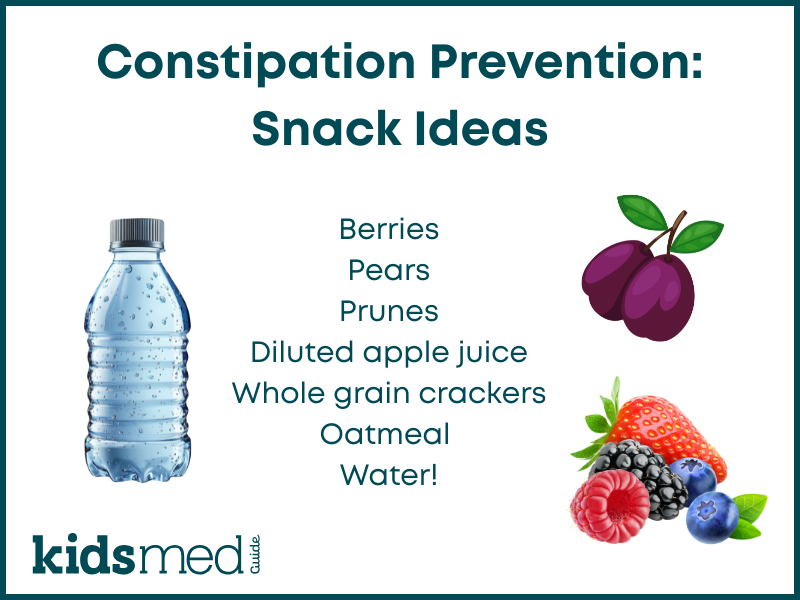
To prevent constipation in kids during travel:
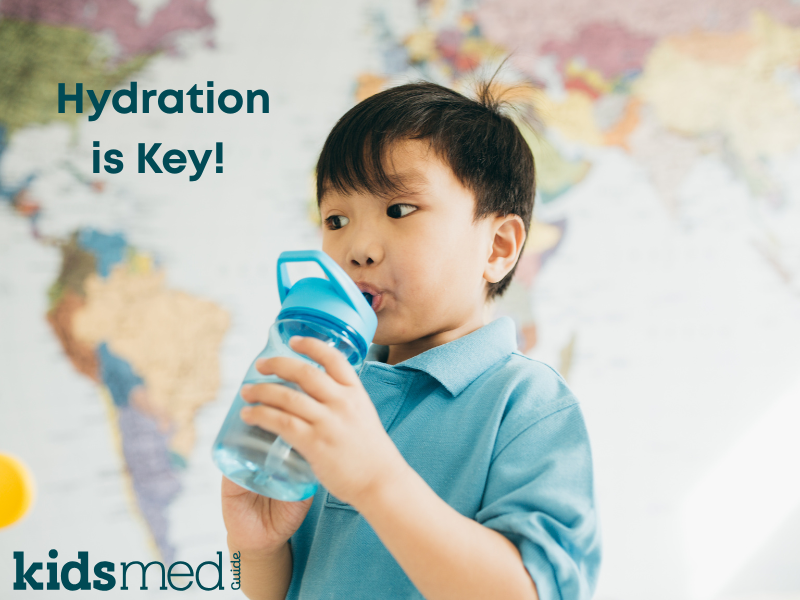
- Prioritize staying hydrated. Water water water!
- Encourage fiber intake through fruits, vegetables, and whole grains. Try to keep your child’s diet as close to normal as possible, although Christmas cookies and pie are expected during the holidays!
- Keep up with physical activity, such as walks, sports, and playground time. On long travel days, ensure your children can move around every couple of hours if possible.
- Schedule regular bathroom breaks, ideally about half an hour or so after eating. Bring any books or anything your child associates with bowel movements. Have them try regularly (without straining), starting early in the trip.
- If you suspect constipation is setting in, encourage water and high-fiber fruits, and consider introducing a gentle laxative or stool softener.
These steps help prevent discomfort and support healthy digestion.
Effective Constipation Treatment for Kids
If constipation happens during or after travel, don’t ignore it. If not treated, kids can get some pretty bad belly aches, and it could progress to a long-term functional constipation situation. Try to avoid a chronic problem if you can!
- Always start by increasing fluids and fiber
- Try prunes, pear, or apple juice (Grandma’s advice is still true!)
- Make sure your child is getting plenty of movement breaks
- Warm baths and regular bathroom visits (especially after eating) may help the body get back into a routine.
Sometimes, travel constipation can morph into functional constipation or withholding, which can be behavioral in nature.
Drug treatment:
Polyethylene glycol 3350 (Miralax) is considered a first-line treatment for pediatric constipation that hasn’t responded to non-drug measures.
Your child’s pediatrician will usually recommend a weight-based dose (calculated in grams per kilogram per day, up to a maximum of one full adult capful) and may use a short-term higher dose for more severe constipation or to help relieve an impaction.
Always follow dosing instructions from your pediatrician or pharmacist.
Avoid stimulant laxatives and other over-the-counter constipation medicines unless your pediatrician recommends them. Some products are not appropriate for children or should only be used short-term under medical supervision.
When to Consult a Pediatrician
Call your pediatrician if:
- Constipation lasts more than one week
- There is blood in the stool
- Severe abdominal pain occurs
- Vomiting or fever accompanies constipation
- Your child cannot pass stool despite home care
- Withholding behaviors worsen
Conclusion
Holiday travel and dietary changes can quickly disrupt a child’s normal digestive rhythm, leading to constipation. I am guilty of allowing one too many treats and movie days during holiday travel! It happens.
Parents can prevent and treat travel constipation in children by encouraging water intake, maintaining a healthy diet as much as possible, ensuring plenty of physical activity, and ensuring their children use the bathroom regularly.
FAQ Section
How can I prevent constipation when my child travels?
Offer water frequently, incorporate bathroom breaks, encourage movement, and maintain consistent, familiar nutrition choices and meal times. These steps help reduce constipation after travel.
What foods help relieve constipation in children?
Fiber-rich fruits, vegetables, oatmeal, pears, prunes, whole grains, and plenty of fluids. Apple juice (full- or half-strength) may also help.
Is it safe to use over-the-counter constipation medicine for kids?
For occasional mild constipation, PEG 3350 (Miralax) is widely recommended, but dosing should always be discussed with your child’s pediatrician or pharmacist. The dose varies by weight/age, and your doctor may recommend a higher short-term dose for more moderate to severe constipation.
How much water should children drink to prevent constipation?
Frequent small sips throughout the day are most effective, especially during travel or high-intensity activity. Children should produce urine that is clear or pale yellow, a good indicator of proper hydration.
When should I see a doctor for my child’s constipation?
If constipation lasts more than a week, causes significant pain, bleeding, fever, or does not improve with home care, contact your pediatrician.
The following references were used to compile this information:
Constipation. (n.d.). Retrieved December 17, 2025, from https://www.nationwidechildrens.org/conditions/constipation
Constipation | Boston Children’s Hospital. (n.d.). Retrieved December 17, 2025, from https://www.childrenshospital.org/conditions-treatments/constipation
Constipation in Children. (2024, July 10). HealthyChildren.Org. https://www.healthychildren.org/English/health-issues/conditions/abdominal/Pages/constipation.aspx
DailyMed—MIRALAX- polyethylene glycol 3350 powder, for solution. (n.d.). Retrieved December 17, 2025, from https://dailymed.nlm.nih.gov/dailymed/drugInfo.cfm?setid=d69ce3d4-7ca4-4fe3-b49e-6655e48d6963
Nurko, S., & Zimmerman, L. A. (2014). Evaluation and Treatment of Constipation in Children and Adolescents. American Family Physician, 90(2), 82–90.
Tabbers, M. M., DiLorenzo, C., Berger, M. Y., Faure, C., Langendam, M. W., Nurko, S., Staiano, A., Vandenplas, Y., & Benninga, M. A. (2014). Evaluation and Treatment of Functional Constipation in Infants and Children: Evidence‐Based Recommendations From ESPGHAN and NASPGHAN. Journal of Pediatric Gastroenterology and Nutrition, 58(2), 258–274. https://doi.org/10.1097/MPG.0000000000000266